
trp-4

Book a Consultation

    I consent to my information being used to contact me regarding my enquiry in accordance with our Privacy Policy

    PRP treatment

    Platelet-rich plasma (PRP) hair treatment is a procedure that involves injecting a patient’s own blood into their scalp to promote hair growth and prevent hair loss:

    • How it works

    PRP is derived from the patient’s blood and contains growth factors, chemokines, clotting factors, and immune mediators. These factors are injected into the scalp in areas of hair loss. 

    • Benefits

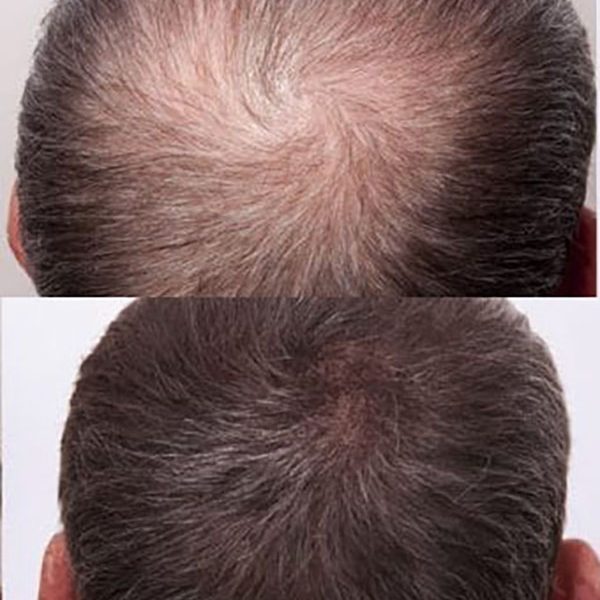
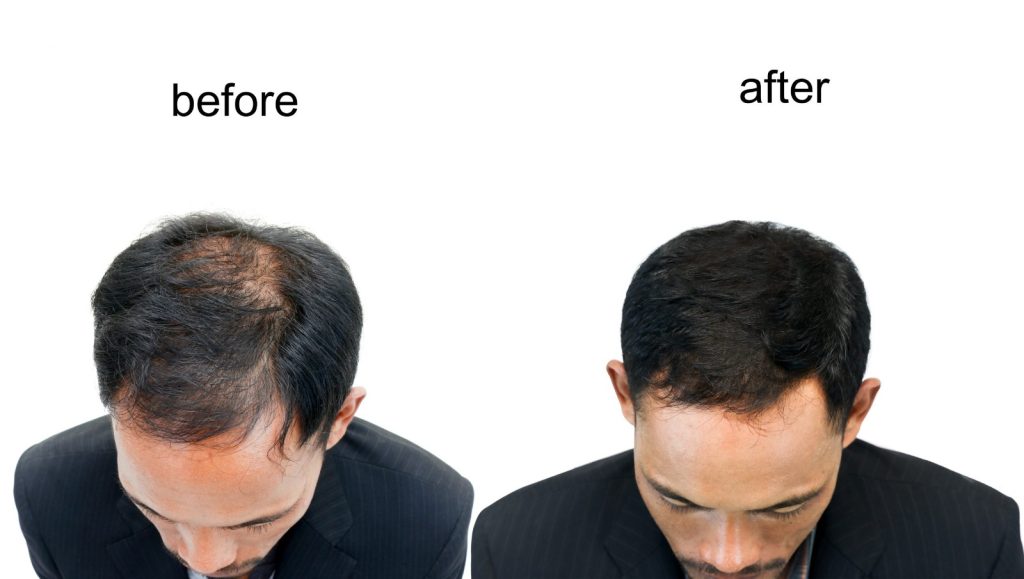
    PRP can be effective for preventing hair loss and thinning, and can also help regrow hair. It can also stimulate hair growth after hair transplants. 

    • Procedure

    PRP is considered safe, but there are some potential risks and side effects, including local and temporary pain at the injection sites, infection, dizziness, nausea, scalp pain, and irritation during the healing process. 

    • Results

    To achieve results, you’ll need to complete a series of four to six treatments, spaced 5-6 weeks apart. The new hair growth will last for about 18 to 24 months, and touch-up treatments are recommended once a year. 

    • Cost

    In the UK, PRP therapy for hair loss costs around £200 to £500 per session, but prices can vary.

    Click to rate this post!
    [Total: 1 Average: 5]
    Privacy overview
    Ebru Clinic

    We use cookies to help you navigate efficiently and perform certain functions. You will find detailed information about all cookies under each consent category below.

    The cookies that are categorized as "Necessary" are stored on your browser as they are essential for enabling the basic functionalities of the site.

    We also use third-party cookies that help us analyze how you use this website, store your preferences, and provide the content and advertisements that are relevant to you. These cookies will only be stored in your browser with your prior consent.

    You can choose to enable or disable some or all of these cookies but disabling some of them may affect your browsing experience.


    Strictly necessary cookies

    Strictly necessary cookies must be enabled at all times so that we can save your cookie settings preferences.

    If you disable this cookie, we will not be able to save your preferences. This means you will need to enable or disable cookies again each time you visit this website.